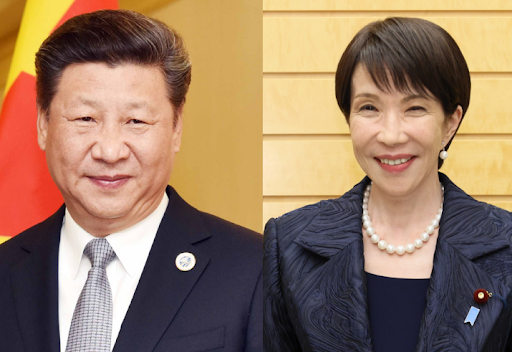
The current Japan-China crisis diverts diplomatic and political resources toward bilateral confrontation management that might otherwise address other regional challenges including North Korea, climate change cooperation, pandemic preparedness, and various shared concerns requiring Japanese and Chinese attention and coordination. The opportunity costs of crisis preoccupation extend beyond bilateral relationship to affect regional capacity for addressing collective challenges that suffer from reduced attention and cooperation during prolonged bilateral tensions.
Prime Minister Sanae Takaichi and Chinese leadership must dedicate significant attention and political capital to managing the bilateral crisis triggered by Taiwan statements, diverting focus from other regional and global issues where Japanese and Chinese cooperation could advance shared interests. The travel advisories threatening $11.5 billion in tourism losses from over 8 million visitors representing 23% of all arrivals, cultural restrictions, and various other economic pressures require sustained governmental attention to implement and manage, consuming resources that might otherwise address other priorities.
Particularly concerning are regional security challenges like North Korea that benefit from Japanese-Chinese coordination but suffer when bilateral tensions preclude effective cooperation. Both countries share interests in Korean Peninsula stability and denuclearization, but bilateral confrontation creates obstacles to the coordination necessary for effective responses. The result may be reduced regional security despite both countries having genuine interests in stability that transcend their Taiwan disagreements.
Similarly, regional responses to climate change, pandemic preparedness, and various other collective challenges require sustained cooperation that becomes more difficult during bilateral crises. While these issues theoretically transcend political disputes and should be addressed regardless of Taiwan disagreements, the practical reality is that comprehensive bilateral tensions make cooperation across all dimensions more difficult and consume political attention that might otherwise focus on collective challenges.
The opportunity cost dimension illustrates how bilateral crises impose costs beyond direct economic and diplomatic impacts through reduced capacity to address other important issues. While attention focuses on tourism losses and trade disruptions, the diversion of diplomatic resources and political attention away from other regional challenges may prove equally consequential through foregone opportunities for cooperation on shared concerns.
The crisis resource diversion also affects domestic political capacity in both countries, as leaders must expend political capital managing bilateral confrontation rather than addressing domestic priorities. Japanese and Chinese leaders face numerous domestic challenges ranging from economic reforms to social policy issues that require sustained attention and political resources, with bilateral crisis consuming attention that might otherwise focus on domestic governance improvement.
Professor Liu Jiangyong indicates countermeasures will be rolled out gradually suggesting sustained crisis requiring ongoing management attention, while Sheila A. Smith notes domestic political constraints make compromise difficult, implying prolonged period of diverted resources. The longer bilateral crisis continues without resolution, the greater the accumulated opportunity costs through foregone cooperation on other regional challenges and diverted resources from domestic priorities. Small businesses like Rie Takeda’s tearoom represent bilateral crisis direct casualties, while reduced regional cooperation on collective challenges represents indirect costs where crisis preoccupation prevents effective joint responses to shared concerns that suffer from reduced attention and political will during prolonged bilateral confrontation.