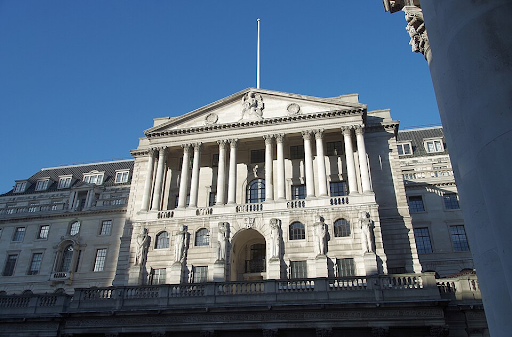
The economic landscape of the UK is not uniform, and the impact of the 3.75% rate cut will vary wildly between London and the rest of the country. In London and the South East, where mortgages are huge and the service sector dominates, the rate cut is a massive injection of disposable income. It directly tackles the “service sector stickiness” by changing the cost of living for high-earners.
However, in the North and Midlands, where manufacturing and small businesses are more prevalent, the challenge is different. Here, the “fragile economy” and the 0.1% GDP contraction are felt more acutely. The rate cut helps, but it doesn’t fix the issue of weak local demand or the high cost of energy and materials.
The Bank’s agents highlighted this regional disparity. They noted that “hiring difficulties” are widespread, but the pressure is different. In the South, it’s wage demands driving inflation. In the North, it’s a lack of skills holding back growth. One interest rate has to fit both problems.
The risk is that the rate cut overheats the South (reigniting housing inflation) while failing to stimulate the North. This widens the regional inequality gap. The “levelling up” agenda needs targeted fiscal policy, not just blunt monetary policy.
As 2026 progresses, this divide may become a political flashpoint. If London booms while the regions stagnate, the Bank’s “national” success story will ring hollow in many parts of the UK.