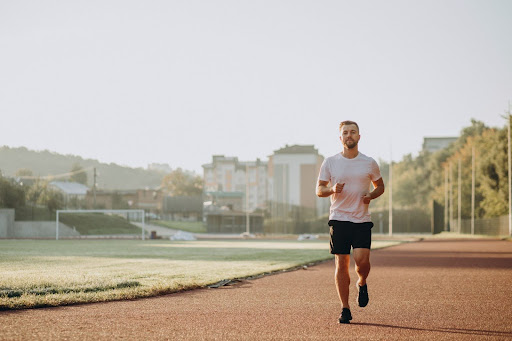
Many runners wonder how long they can maintain participation—whether running is sustainable into middle age, senior years, or beyond. Understanding how running changes with aging and strategies for adaptation helps you envision long-term running future rather than viewing it as temporary pursuit.
Age-related performance changes are inevitable but gradual. Most runners see performance peak somewhere in late twenties to late thirties, followed by slow decline in subsequent decades. However, this decline is surprisingly gradual—studies show roughly 6-8% per decade performance decline in masters runners who maintain training. This means a runner who completes a race distance at age 30 in 4 hours might complete it in approximately 4:15 at age 50 and 4:30 at age 60 if training remains consistent. These are averages with significant individual variation, but the key point is that decline is slow.
Adapting training as you age allows continued improvement within your age category even as overall performance declines. Recovery takes longer with age, suggesting reduced training frequency or longer recovery between hard efforts. Injury risk increases, calling for more attention to strength training, flexibility, and running on varied surfaces to reduce repetitive stress. However, many older runners maintain impressive training volume and intensity—aging doesn’t automatically mean you must drastically reduce training, just that you might need to adjust ratios of hard to easy work or frequency of highest-intensity sessions.
Age-graded performance calculations allow meaningful comparison across ages by adjusting results for age-related performance changes. An age-graded calculator might show that a 60-year-old running 45 minutes for 10K is performing equivalently to a 30-year-old running 38 minutes, accounting for expected age differences. This system allows older runners to pursue performance improvement within their age category rather than becoming discouraged by comparing to younger selves or younger runners.
Many runners discover that motivation shifts with age. Performance goals that dominated younger years might become less important than health maintenance, social connection, or simply enjoyment of movement. This evolution isn’t failure—it’s maturation into sustainable long-term relationship with running. Some older runners find liberation in letting go of time goals and simply running for pleasure, while others remain intensely competitive within age categories. Both approaches are valid.
Common age-related issues include increased arthritis or joint pain, often manageable through anti-inflammatory strategies, strength training, lower-impact cross-training, and sometimes medication. Running doesn’t cause arthritis—studies show runners have no higher arthritis rates than non-runners—but existing arthritis might become more symptomatic. Balance and coordination can decline with age, increasing fall risk particularly on trails or uneven surfaces. Core and balance training helps maintain stability reducing this risk.
The inspiring reality is that many runners continue into their seventies, eighties, and beyond. Age category records show remarkably fast performances by senior runners, demonstrating that while absolute speed declines, passionate committed runners can maintain impressive capabilities. Ultra-distance running particularly attracts older runners who find their experience, mental toughness, and patience partially offset physical decline. Additionally, older runners who started late in life sometimes improve for many years despite aging, as training adaptations outweigh age-related decline initially.
The key to running longevity is adapting appropriately rather than stubbornly maintaining approaches that worked when younger. Listen to your body more carefully, recover more thoroughly, train slightly more conservatively, address small aches before they become major injuries. Accept some performance decline gracefully while still pursuing improvement within your current capabilities. Many long-term runners report that although they’re slower than their younger selves, they actually enjoy running more now because they’ve released outcome pressure and connected with intrinsic satisfaction of the activity. Running can absolutely be lifetime pursuit if approached with wisdom that balances ambition with appropriate caution, allowing you to continue moving joyfully regardless of what age your birthday cake says you’ve reached.