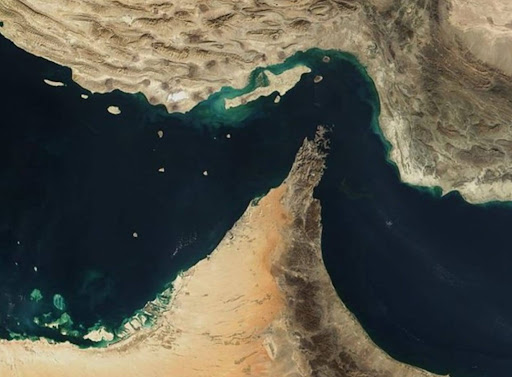
Oil tankers and cargo vessels that would normally transit the Strait of Hormuz are increasingly being rerouted around the Cape of Good Hope at the southern tip of Africa, a journey that adds roughly two weeks and significant additional costs to every voyage — a visible testament to the severity of the blockade that Iran has imposed on the world’s most critical oil shipping corridor. President Trump has called on allied nations to send warships to defend the passage, but with no committed naval response forthcoming, rerouting has become the default risk management strategy for shipping companies operating in the region.
Iran’s blockade of the strait began in late February as retaliation for US-Israeli airstrikes, generating the most severe oil supply disruption in history. One-fifth of global oil exports ordinarily flow through the passage. Tehran has attacked sixteen tankers and declared vessels heading for American or allied ports to be legitimate military targets. The threat of mines adds a further deterrent to commercial transit. Shipping companies facing a choice between the very real danger of Iranian attack and the significantly increased cost of the Cape of Good Hope route are overwhelmingly choosing the longer, more expensive but safer alternative.
The rerouting decision has cascading consequences throughout global supply chains. Every tanker that goes around Africa instead of through the strait adds roughly two weeks of voyage time, meaning that the same fleet of ships delivers significantly less oil per month than it would under normal routing conditions. This effective reduction in shipping capacity compounds the direct impact of the supply disruption from the blockade, tightening global oil markets further and contributing to the price surge that the crisis has already produced. Port facilities along alternative routes are experiencing increased demand and operational strain.
The Cape of Good Hope rerouting is also creating new strategic geography in global energy trade. Routes that were previously marginal are becoming primary arteries. Ports in South Africa, East Africa, and other locations along alternative routes are seeing increased traffic and commercial activity. Insurance markets are adjusting to the new risk landscape. The patterns of global energy trade that emerge from the Hormuz crisis may outlast the immediate conflict, as long-term contracts and infrastructure decisions begin to reflect the demonstrated vulnerability of the Hormuz route.
China’s diplomatic engagement with Tehran is being watched closely by shipping companies as the most likely near-term path to any restoration of the Hormuz route. Beijing is reportedly in discussions with Iran about allowing tankers to pass safely. The Chinese embassy confirmed China’s commitment to constructive regional engagement. US Energy Secretary Chris Wright expressed hope that China would prove a constructive partner. For shipping companies calculating whether to extend their Cape of Good Hope contracts or wait for Hormuz to reopen, the pace of China’s diplomatic progress is among the most commercially significant news they can receive.