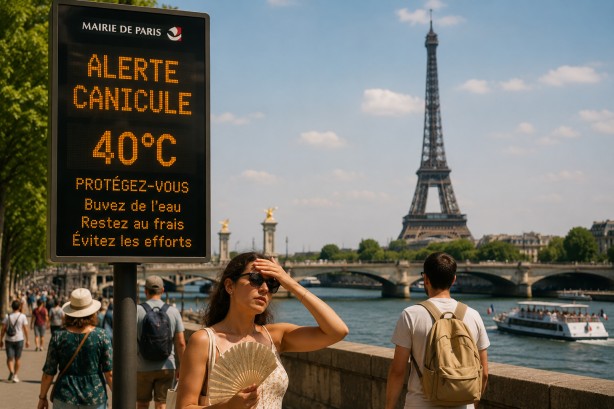
As summer progresses, France and Luxembourg are bracing for yet another significant heatwave, the fourth of such intensity this season. Beginning on July 28, temperatures are anticipated to surge dramatically and persist at perilously high levels into the early days of August. This heatwave is expected to originate in southwestern France before extending across much of the nation, with some areas forecasted to experience temperatures soaring to 40–41°C. Many regions across the country are likely to witness highs ranging between 35°C and 38°C, and the nighttime respite will be minimal, with temperatures not expected to drop below 20°C in several locations.
Luxembourg, following a cooler start to the week, will also see a sharp escalation in heat. By midweek, specifically Wednesday and Thursday, temperatures are predicted to rise to between 33°C and 36°C, accompanied by predominantly clear skies. This rapid increase in temperatures signals a significant shift from the milder conditions earlier in the week, emphasizing the intensity of the approaching heatwave.
Weather specialists have issued warnings about the potential duration of this heatwave, which may extend into the early days of August. This prolonged period of high temperatures exacerbates existing concerns over drought conditions already affecting the area. The extended heat and dry conditions significantly increase the risk of wildfires, posing a serious threat to the region’s safety and environmental stability.
Given the forecasted conditions, authorities are likely to implement measures to mitigate heat-related risks and manage the heightened threat of wildfires. Residents in affected areas are advised to take appropriate precautions to stay safe, such as staying hydrated and avoiding outdoor activities during peak heat hours. As the summer continues to deliver extreme weather, the resilience of infrastructures and emergency services will be tested, highlighting the challenges posed by climate change.