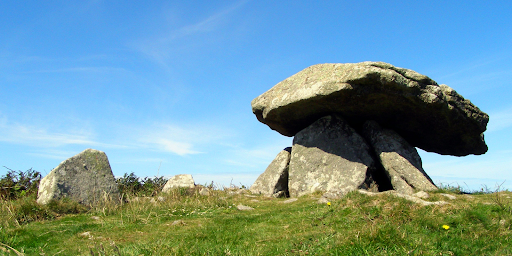
The practice of returning annually to the same monuments for winter solstice observations created powerful psychological and social effects that reinforced community bonds, maintained cultural continuity, and connected individual lives with eternal patterns. These ritual returns—whether prehistoric ceremonies or contemporary celebrations—demonstrate how periodic gathering at significant locations structures human experience of time and place.
Annual return creates psychological anchors in time’s flow. Each winter solstice visit to Chûn Quoit or Tregeseal circle marks another completed year, creating memorable reference points that structure autobiographical memory. Years become distinguished not just numerically but experientially—remembered by who attended, what weather occurred, what personal circumstances prevailed during that particular solstice gathering.
Ritual repetition connects participants with previous generations who performed similar returns. Standing where ancestors stood creates temporal connections that collapse historical distance. Contemporary observers at Chûn Quoit witnessing winter solstice sunset perform actions essentially identical to those prehistoric builders intended, creating continuity of practice spanning four thousand years despite all intervening cultural changes.
Spatial constancy provides stability amid life’s changes. While personal circumstances, relationships, and locations may vary dramatically between successive solstices, the monuments remain unchanged. This permanence offers psychological grounding—reassurance that some things persist despite life’s transformations. The stones become familiar presences whose constancy contrasts with and contextualizes human change.
Social dimensions of ritual return reinforce community bonds through repeated gathering. Seeing the same people annually at solstice celebrations creates relationships defined partially through these shared returns. Communities form around regular participation in seasonal observations, with annual gatherings providing opportunities for renewing connections and welcoming new members into established traditions.
Intergenerational participation creates living chains connecting past and future. Elders attending for decades introduce children experiencing first solstice observations. These age-mixed gatherings allow knowledge transmission and create communities spanning generations rather than age-segregated groups. Children attending today become the elders who will transmit traditions decades hence.
Spiritual dimensions of return relate to recognizing participation in patterns larger than individual existence. Witnessing identical astronomical events year after year reinforces awareness of cosmic patterns’ constancy. This can generate either comfort from order’s reliability or existential awareness of individual insignificance relative to eternal patterns—both responses holding potential spiritual significance.
Carolyn Kennett’s annual winter solstice walks to sites like Chûn Quoit exemplify contemporary ritual returns combining educational and experiential dimensions. Participants often return multiple years, creating personal traditions around these guided observations. The Montol festival similarly attracts regular attendees whose annual participation creates community through repeated gathering.
Understanding ritual return’s multiple functions—psychological, social, spiritual—illuminates why prehistoric communities and contemporary participants invest effort in annual solstice observations. These aren’t casual tourism but meaningful practices creating structured experiences connecting individuals with community, past with present, and human temporality with eternal astronomical patterns. The persistence of ritual return across four thousand years demonstrates fundamental human needs for practices that provide temporal structure, community connection, and participation in patterns transcending individual existence—needs that Cornwall’s monuments continue facilitating through their permanent presence and the annual celebrations they anchor.