Media coverage shapes international perceptions of the Ukraine conflict affecting public support for continued assistance, with narrative framing significantly influencing policy sustainability. Western media initially provided extensive sympathetic coverage of Ukrainian resistance and Russian aggression, generating public support for military and economic aid. However, as conflict extends beyond three years, media attention has declined while coverage increasingly emphasizes costs, complexities, and questions about ultimate outcomes potentially undermining support sustainability.
Russian information operations target western media consumers attempting to create fatigue, skepticism about assistance effectiveness, and narratives suggesting negotiated settlement represents only viable option regardless of terms. These operations exploit genuine complexities and costs to promote conclusions favoring Russian interests. The sophisticated information campaigns create challenges for Ukrainian diplomacy needing to maintain positive international narratives supporting continued assistance despite increasing public skepticism.
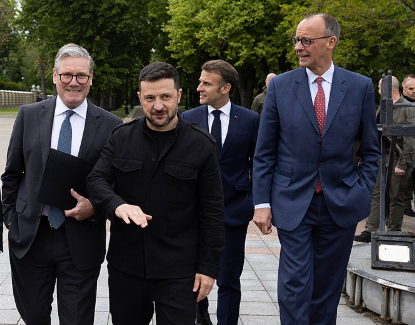
President Zelenskyy has demonstrated remarkable media effectiveness through speeches, interviews, and social media engagement maintaining international attention and support. However, sustaining media interest and sympathetic narratives becomes progressively difficult as conflict extends without clear resolution prospects. Media dynamics favor dramatic developments over sustained coverage of grinding attrition warfare, creating challenges maintaining attention necessary for policy support.
Trump’s public statements questioning Ukrainian positions and suggesting Russian receptiveness to peace terms have received extensive media coverage potentially shifting narratives in ways undermining support. When American president questions assistance continuation and highlights Ukrainian supposed intransigence, these narratives affect public opinion in United States and allied nations. The media narrative dimension creates another battlefield where Ukrainian diplomacy must compete against Russian information operations and skeptical American presidential messaging.
Thursday’s coalition video conference occurs amid media narrative challenges affecting support sustainability. President Zelenskyy’s presentation must serve both immediate diplomatic purposes and broader media narrative objectives maintaining international public support. As media coverage evolves from initial sympathetic resistance narratives toward more complex portrayals emphasizing costs and questioning outcomes, the information dimension illustrates how sustained conflicts create narrative challenges potentially undermining support regardless of military situations or diplomatic requirements.