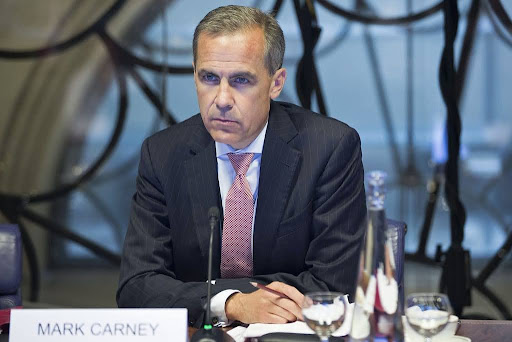
Despite the damning conclusion by Canadian federal police linking the Indian government to the murder of Sikh activist Hardeep Singh Nijjar, Indian Prime Minister Narendra Modi’s invitation to the G7 summit still stands. Canadian Prime Minister Mark Carney’s decision to proceed with the invitation raises questions about the political calculus behind such a move.
Carney, when questioned by reporters, steadfastly refused to offer a personal opinion on Modi’s potential involvement in Nijjar’s assassination. He cited the ongoing “legal process that is literally under way and quite advanced in Canada,” emphasizing the impropriety of public commentary on an active investigation. Four Indian nationals have been charged in connection with the murder, which severely strained diplomatic relations.
The G7 summit, set for mid-June in Kananaskis, Alberta, is a key international forum. Carney justified Modi’s invitation by underscoring India’s global economic and demographic clout, calling it the “fifth largest economy in the world” and the “most populous country,” and central to global supply chains. He explicitly stated the importance of discussing energy, artificial intelligence, and critical minerals with the Indian leader.
This move also aligns with Carney’s new government’s broader efforts to ease international tensions, including normalizing communication with China and resolving trade disputes with the US. However, critics like the World Sikh Organization argue that prioritizing economic interests over justice in this manner sets a dangerous precedent and undermines Canada’s ethical standing on the global stage.