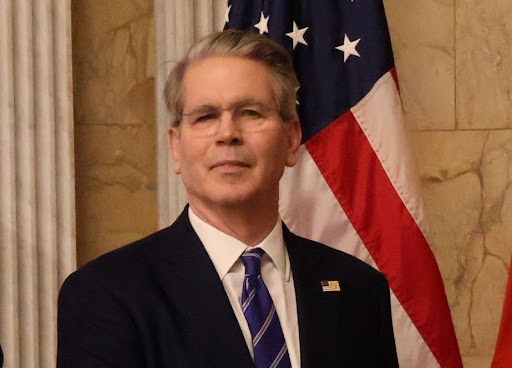
Scott Bessent has outlined Donald Trump’s new H-1B visa policy as a “knowledge transfer” program, summarized by the motto: “train the US workers, then go home.” This clarification dismantles the narrative that Trump was “softening” his immigration stance, revealing a more tactical, temporary use of foreign skilled labor.
The confusion started with Trump’s own words. He had advocated for bringing in skilled immigrants, stating that America needs more talent and that “people have to learn” because they lack “certain talents.” This was seen as a major shift from his previous hardline rhetoric.
Bessent, however, explained that this policy is not about immigration but about education. He described a system where “overseas partners” with specific skills would be brought to the US for a fixed term, such as three to seven years.
During this period, their primary objective would not be just to work, but to actively transfer their knowledge to American colleagues. This is a direct response to skills gaps in critical sectors that Trump mentioned, such as defense manufacturing and semiconductors.
Bessent called this “train-and-return” model a “home run.” He argued that it addresses the reality that “An American can’t have that job, not yet,” while building a future where they can. Once the training is complete, the foreign workers “return home,” and the upskilled American workforce “fully takes over.”