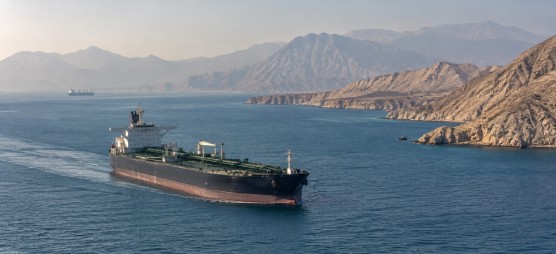
The Strait of Hormuz, a critical passageway for global energy trade, finds itself at the heart of escalating tensions between Iran and the United States. Amid this backdrop, Iran has proposed reopening the strait within a week, contingent upon the U.S. easing its military presence and lifting its blockade on Iranian ports. This offer, disclosed by a senior Iranian official, aims to de-escalate the ongoing conflict and foster diplomatic dialogue.
Iran’s proposal was communicated to Washington on September 16 through intermediaries, with a suggestion to engage further during the United Nations General Assembly (UNGA) in New York. Iranian President Masoud Pezeshkian is in New York for the assembly, indicating Tehran’s openness to diplomatic engagement. Although a direct meeting with U.S. President Donald Trump is not on the agenda, Iran has empowered its delegates to explore diplomatic avenues.
U.S. Secretary of State Marco Rubio acknowledged Washington’s willingness to discuss matters with Iranian officials during the UNGA, provided that any talks contribute to preventing Iran from developing nuclear weapons. However, no official meetings have been scheduled between the two nations.
The situation underscores the urgency for both countries to find a diplomatic solution to their disputes, which include the security of the Strait of Hormuz and Iran’s nuclear ambitions. The strait remains a vital corridor for oil shipments, and any disruption could have significant implications for the global energy market.
As both nations navigate these turbulent waters, the international community watches closely, hoping for a resolution that will ensure the security and stability of this essential maritime route. The coming days at the UNGA may prove pivotal in determining the future of U.S.-Iran relations and the broader geopolitical landscape in the region.