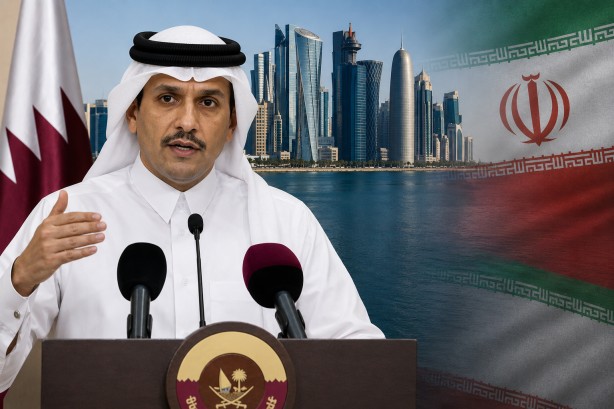
The diplomatic landscape between the United States and Iran may be on the brink of a positive shift, as Qatar announces significant progress in mediation efforts aimed at resolving tensions between the two nations. This development is fostering optimism for a potential diplomatic breakthrough and alleviating some of the anxiety prevalent in global energy markets.
In a recent phone conversation, Qatari Emir Sheikh Tamim bin Hamad Al Thani and U.S. President Donald Trump delved into the mediation efforts, concentrating on diminishing hostilities between Washington and Tehran. The dialogue underscored the importance of achieving a sustainable resolution through diplomatic discussions. Qatar has revealed its collaboration with Oman and Pakistan to foster communication and exchange proposals between the conflicting parties.
While President Trump has indicated that negotiations with Iran are already in progress, Tehran continues to deny direct talks with the U.S., insisting that any discussions occur solely through Omani channels. Meanwhile, senior American officials have conveyed hope regarding the restoration of activity in the Strait of Hormuz, a critical maritime passage for the transport of global oil and liquefied natural gas. Despite these optimistic signals, negotiations are not yet complete, and a formal agreement remains elusive.
Security concerns persist in the region despite the diplomatic efforts. The Strait of Hormuz’s shipping activities are still significantly affected, following recent attacks on commercial vessels that underscore the ongoing threats to maritime commerce. These incidents highlight the precarious nature of the situation and the urgent need for a resolution.
The trajectory of these mediation efforts is anticipated to be pivotal in de-escalating tensions and reinstating stability in one of the world’s most essential energy corridors. The international community watches closely, hopeful that these diplomatic endeavors will lead to a peaceful and long-lasting solution. As the dialogue continues, the potential for easing regional tensions remains a critical focus for all parties involved.