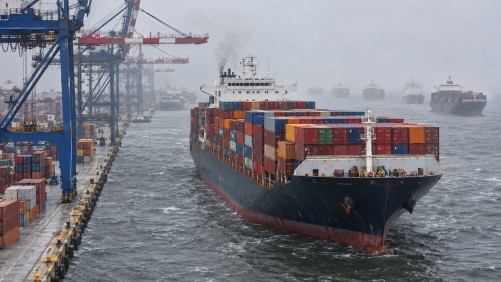
Global maritime trade is facing a challenging period, with growth expected to stagnate at zero percent in 2026 due to a confluence of geopolitical tensions, shipping disruptions, and rising transportation costs. This outlook, provided by the United Nations, highlights ongoing challenges impacting international supply chains and the flow of goods worldwide.
In 2025, maritime trade—which is responsible for transporting over 80% of global goods—experienced a growth of 1.9%, reaching approximately 12.3 billion tonnes. However, this momentum is being hindered by significant disruptions in key shipping routes. The Strait of Hormuz, a major conduit for around 20% of the world’s oil supply, has seen a dramatic reduction in traffic, plummeting by 95% by early March due to regional instability.
Further compounding these issues are disruptions in the Red Sea, which have compelled shipping companies to reroute their vessels around the Cape of Good Hope. This detour results in longer travel distances, increased fuel consumption, and higher operating expenses. The situation is exacerbated by additional complications in grain shipments through the Black Sea and traffic challenges at the Panama Canal, adding layers of complexity to global trade logistics.
The United Nations has emphasized that these disruptions are driving up freight costs, creating uncertainty in shipping markets, and placing additional strain on supply chains, particularly in developing nations. Rising fuel and transportation expenses could lead to increased consumer prices in less-developed economies, especially if these disruptions persist into 2027.
In response to these challenges, the United Nations is advocating for enhanced international cooperation, improved port infrastructure, and investments in modern maritime fleets. It also calls on governments and shipping companies to fortify supply chains and safeguard maritime workers to better navigate these turbulent times.