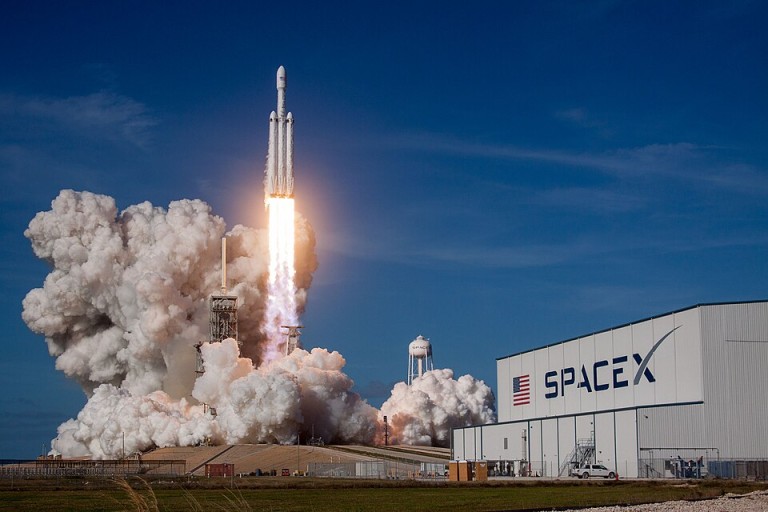
SpaceX is set to make history with its upcoming stock market debut, pricing its initial public offering (IPO) at $135 per share, which places the company’s valuation at an astonishing $1.77 trillion. This IPO aims to generate as much as $75 billion, potentially marking it as the largest IPO ever recorded. Such a move would not only elevate SpaceX into the ranks of the world’s most valuable publicly traded entities but also significantly boost the wealth of its founder, Elon Musk. Despite going public, Musk will maintain over 80% of the company’s voting power through his Class B shares, ensuring he retains control over the company’s direction.
Although SpaceX’s valuation is sky-high, the company is currently operating at a loss. Last year, it reported an operating loss of $2.6 billion against revenues of $18.7 billion, with the financial strain expected to persist into 2026. Nevertheless, investors remain optimistic about the company’s long-term potential in the domains of space exploration, satellite communications, and artificial intelligence. SpaceX plans to channel the proceeds from the IPO into expanding its rocket and AI infrastructure, bolstering the Starlink satellite network, and funding future lunar and Martian missions. The company remains committed to its ambitious goal of creating a permanent human settlement on Mars.
Artificial intelligence plays a pivotal role in SpaceX’s growth strategy, as the company sees vast opportunities in AI-driven technologies and infrastructure. These innovations are anticipated to become significant revenue streams in the future. By incorporating AI into its operations, SpaceX aims to further enhance its capabilities and secure its position as a leader in the space and technology sectors.
The anticipated listing on the Nasdaq under the ticker symbol “SPCX” could commence trading as early as next week. This IPO is expected to serve as a critical test for public markets, potentially setting a precedent for other major technology and AI companies considering public offerings. The move not only underscores SpaceX’s confidence in its strategic vision but also reflects the growing interest and investment in space technology and AI-driven innovation.