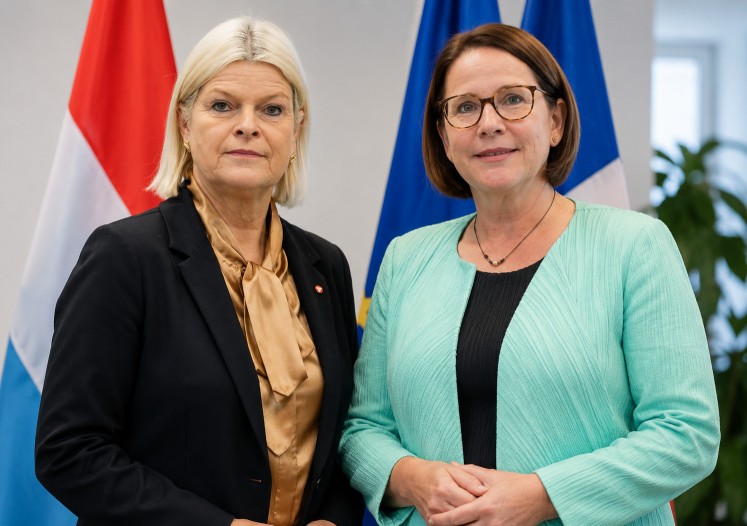
Austria is exploring the possibility of participating in the GovSat 2 satellite communications initiative led by Luxembourg, as both nations strive to enhance their defense and security collaboration. During a recent visit to Luxembourg, Austrian Defence Minister Klaudia Tanner engaged in discussions with her Luxembourg counterpart, Defence Minister Yuriko Backes. The talks focused on expanding bilateral cooperation in areas such as defense, space technology, and cybersecurity. Additionally, Tanner met with representatives from satellite operator SES to discuss Austria’s potential involvement in the GovSat 2 program.
Amid escalating geopolitical tensions, Tanner emphasized the critical nature of secure satellite communications for national security. She noted that increased cooperation in this domain could bolster the resilience of governmental communications and contribute to Europe’s strategic autonomy. The GovSat 2 project is specifically intended to offer secure communications services, not only for Luxembourg’s defense sector but also for the European Union, NATO, and allied nations. The satellite is slated for launch in 2029, marking a significant milestone in the region’s defense infrastructure.
The discussions between the two countries culminated in the signing of a letter of intent to fortify collaboration in various defense-related sectors, including cybersecurity, space technology, and military training. This agreement signifies a commitment to jointly address emerging threats and leverage technological advancements to strengthen defense capabilities. While Austria has not yet disclosed the level of financial investment it may commit to the GovSat 2 project, the partnership underscores a shared vision for enhanced security cooperation.
As Austria contemplates joining this strategic satellite initiative, the move reflects a broader trend of European countries seeking to assert greater autonomy in their defense strategies. By potentially aligning with Luxembourg’s GovSat 2, Austria positions itself to partake in a program that promises to enhance secure communications across the continent. The collaboration between these two nations exemplifies a proactive approach to addressing current security challenges and preparing for future contingencies.