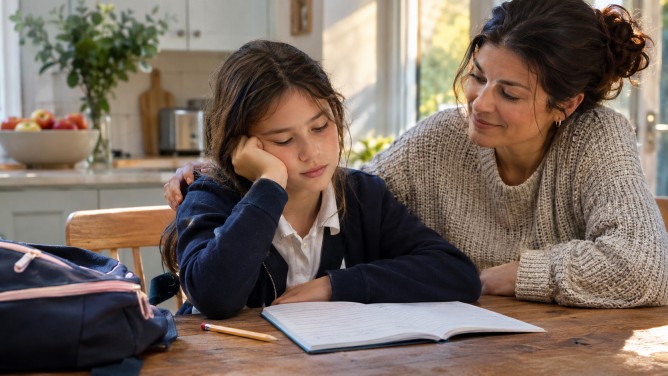
Children often feel tired after a busy day filled with school and extracurricular activities, but when fatigue becomes a constant companion, it may signal an underlying health issue. Parents should be alert to signs of persistent tiredness, which could stem from various causes including nutritional deficiencies, emotional stress, or medical conditions.
Adequate sleep is crucial for a child’s development, yet late bedtimes and excessive screen exposure can disrupt sleep patterns, leading to daytime sleepiness and reduced concentration. Similarly, poor eating habits, such as skipping meals or not consuming enough nutrients like iron and protein, can contribute to feelings of fatigue.
Activity overload is another factor; while school and sports foster growth, too many commitments can leave little room for rest. Children need a balance between these activities and downtime to recharge. Emotional stress from issues like academic pressure or bullying can also manifest as fatigue, affecting a child’s emotional and physical well-being.
In some cases, persistent tiredness may be linked to medical conditions such as anemia or thyroid disorders. When fatigue interferes with daily life, such as school attendance or playtime, it’s essential for parents to seek medical advice. Warning signs like frequent dizziness, unusual weakness, or changes in behavior warrant prompt medical attention.
To boost a child’s energy levels, parents can implement lifestyle changes such as establishing regular sleep routines, ensuring a balanced diet rich in essential nutrients, encouraging physical activity, and limiting screen time. Creating a supportive environment for open communication can also help address any emotional stress a child might be experiencing.
If a child continues to feel tired despite these efforts, consulting a pediatrician is advisable. A healthcare professional can review the child’s habits and health to identify any underlying issues. Recognizing and addressing these signs early can help safeguard a child’s health and overall well-being.