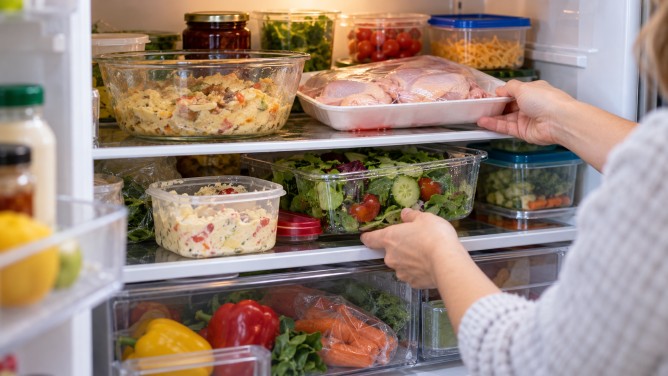
Improper food storage practices can lead to foodborne illnesses, even when meals are home-cooked and nutritious. Ensuring food safety extends beyond the cooking process and involves careful attention to how food is stored, refrigerated, and reheated. Missteps in these areas can create an environment conducive to bacterial growth, increasing the risk of food poisoning.
One common mistake is leaving cooked food out at room temperature for too long. Perishable items should be refrigerated within two hours of cooking, or within one hour if the temperature exceeds 32°C. To expedite cooling, divide large portions into smaller, shallow containers before refrigerating.
Another pitfall is overfilling the refrigerator, which can obstruct air circulation and prevent the appliance from maintaining a safe temperature of 4°C or below. Ensuring that cold air can move freely helps keep all stored food safe. Additionally, raw and cooked foods should be stored separately to avoid cross-contamination. Raw meats and their juices, in particular, should be kept in sealed containers on the lowest shelves.
Reheating leftovers repeatedly can also pose risks. It’s advisable to heat only what will be consumed, ensuring that leftovers reach an internal temperature of at least 74°C. Using a food thermometer can help verify that food is heated properly.
Washing produce well in advance can leave excess moisture, fostering spoilage. It is best to wash fruits and vegetables just before use, or if washed earlier, to dry them thoroughly and store them appropriately in clean containers.
Relying solely on smell and appearance to judge food safety is another oversight. While spoilage indicators like mold or unpleasant odors are clear signs to discard food, their absence doesn’t guarantee safety. Monitoring storage time and temperature is crucial, and when doubt arises about food safety, it is safer to discard questionable items.
Foods such as milk, cooked rice, lentils, curries, meat, and seafood require meticulous temperature management as bacteria can thrive in these moist environments without visible signs of spoilage. Meanwhile, products like bread and nuts should be kept dry to prevent mold. Consistent habits like refrigerating promptly, maintaining appropriate temperatures, and avoiding cross-contamination can significantly reduce the risk of foodborne illness and food waste.