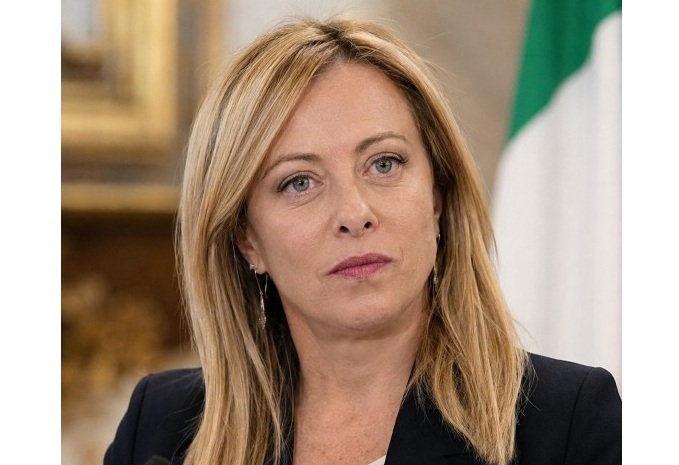
Italian Prime Minister Giorgia Meloni has voiced strong objections to remarks made by Democratic Party Chair Stefano Bonaccini, who implied that some voters from right-wing factions might be less educated. Meloni condemned these comments, arguing they demonstrate a lack of respect towards the millions of Italians who align with right-wing political parties. According to her, individuals cast their votes based on personal experiences and interactions with government policies, rather than their academic credentials.
Meloni took to social media to express her viewpoint, urging the political left to prioritize understanding and engaging with voters instead of assessing them by their educational achievements. She further criticized certain segments of the left for their apparent inability to comprehend the reasons behind their recurrent electoral defeats. Her comments were part of a broader response to what she perceives as a disconnect between left-wing politicians and the electorate.
In response to the backlash, Stefano Bonaccini, who previously served as the governor of Emilia-Romagna and is the Democratic Party’s head of delegation in Brussels, clarified that his statements were misinterpreted. He insisted that his intention was to address the difficulties faced by the centre-left faction, rather than to belittle or offend those who support right-wing parties. Bonaccini emphasized that his comments were meant to shed light on the internal challenges of his political camp.
This exchange underscores the ongoing political friction between Italy’s ruling right-wing coalition and the opposition centre-left parties. The controversy highlights the deep-seated tensions and divergent perspectives that continue to characterize Italian politics, as leaders from both sides navigate the complex landscape of voter sentiment and party strategy.