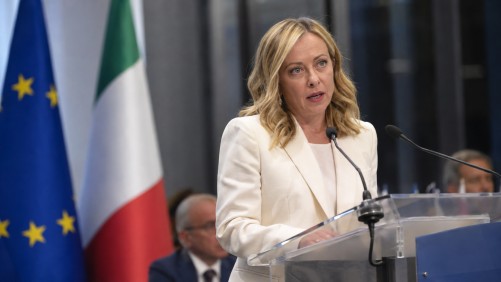
Amid escalating energy costs, Italian Prime Minister Giorgia Meloni has advocated for long-term structural measures to address the issue, highlighting that temporary emergency interventions are insufficient for sustainable solutions. Speaking at the Assolombarda assembly in Milan, Meloni emphasized the Italian government’s efforts, which have seen more than €60 billion allocated to help households and businesses cope with high energy expenses. This assistance has come through actions such as reducing energy bill surcharges and adjusting fuel excise duties.
Meloni pointed to geopolitical tensions, particularly involving Iran and disruptions in key regions like the Strait of Hormuz and the Red Sea, which have exacerbated the costs of energy, raw materials, and transportation. These factors contribute to inflation, thereby straining families, businesses, and public finances. In light of these challenges, Meloni plans to urge European Union leaders to grant greater budget flexibility, allowing for adjustments in response to inflation-driven public spending pressures.
Addressing the impact of EU budget rules, Meloni argued that the inflation-induced spending limits the fiscal space necessary for investment and economic growth. She intends to bring this issue to the forefront at the upcoming European Council meeting, advocating for leeway to manage additional costs that arise from situations beyond national governments’ control.
Furthermore, Meloni called for reform of the EU’s Emissions Trading System (ETS), cautioning that its current structure could disadvantage European industries compared to international competitors. She underscored the need to balance environmental goals with the protection of domestic manufacturing, supply chains, and jobs.
In pursuit of enhanced energy security, Italy has been expanding its renewable energy capacity and bolstering domestic oil and gas production. This strategy forms part of a broader effort to secure the nation’s energy future, ensuring stability and sustainability in the face of ongoing global challenges.