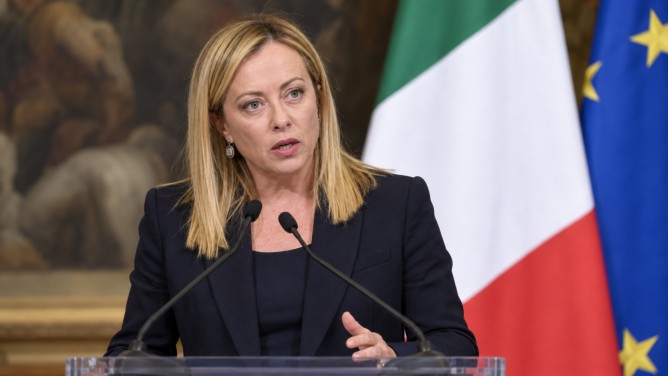
Italian Prime Minister Giorgia Meloni has expressed concern over U.S. President Donald Trump’s decision to engage in a deal involving Russian diesel. Ahead of the European Council summit scheduled for October 15–16, Meloni criticized the move, suggesting it might provide financial benefits to Moscow and potentially undermine Western sanctions against Russia.
Meloni highlighted the risks associated with allowing Russian diesel into the market, warning that it could generate additional revenue for Moscow even as Russian forces continue their attacks on Ukrainian cities. She questioned whether this strategy would effectively address the rising fuel prices, which she attributed more to the ongoing conflicts involving the United States, Israel, and Iran than to the situation in Ukraine.
The Italian Prime Minister emphasized that the deal could weaken Western efforts to pressure Russian President Vladimir Putin into negotiations, pointing out that while the potential benefits of the arrangement are uncertain, the risks to diplomatic and economic pressure are more apparent.
In addition to her concerns about U.S. energy policy, Meloni addressed Italy’s financial priorities in the context of the upcoming European summit. She stated that any agreement on the European Union’s long-term budget must protect Italian interests, as her government seeks greater budget flexibility amid rising inflation and energy costs. Meloni also defended Italy’s defense spending, arguing that it is essential for national security and does not necessarily detract from healthcare and education funding.
As Italy prepares its final budget ahead of next year’s elections, Economy Minister Giancarlo Giorgetti cautioned that the growing scrutiny of Italy’s public debt could pose further financial challenges. Meloni’s remarks underscore the broader European concerns about the impact of U.S. energy policy on sanctions against Russia, support for Ukraine, and the wider economic landscape.